

- Insiders Profile -
Entrepreneur & Co-Founder of Casa do Largo
A long-standing entrepreneur and a key figure in Lisbon’s food and hospitality scene, Viviane Rocha, has spent decades shaping the way the city eats. From Vela Latina to Nikkei, Forest, and Charcutaria, her projects have consistently blended vision, instinct, and a deep understanding of hospitality. She was also the founder of Confraria.
Her latest opening, Casa do Largo in Cascais, marks a new chapter: a place rooted in conviviality, generosity, and a sense of gathering. We spoke with Viviane about her journey, her approach to opening restaurants, and what continues to drive her after so many years in the industry.
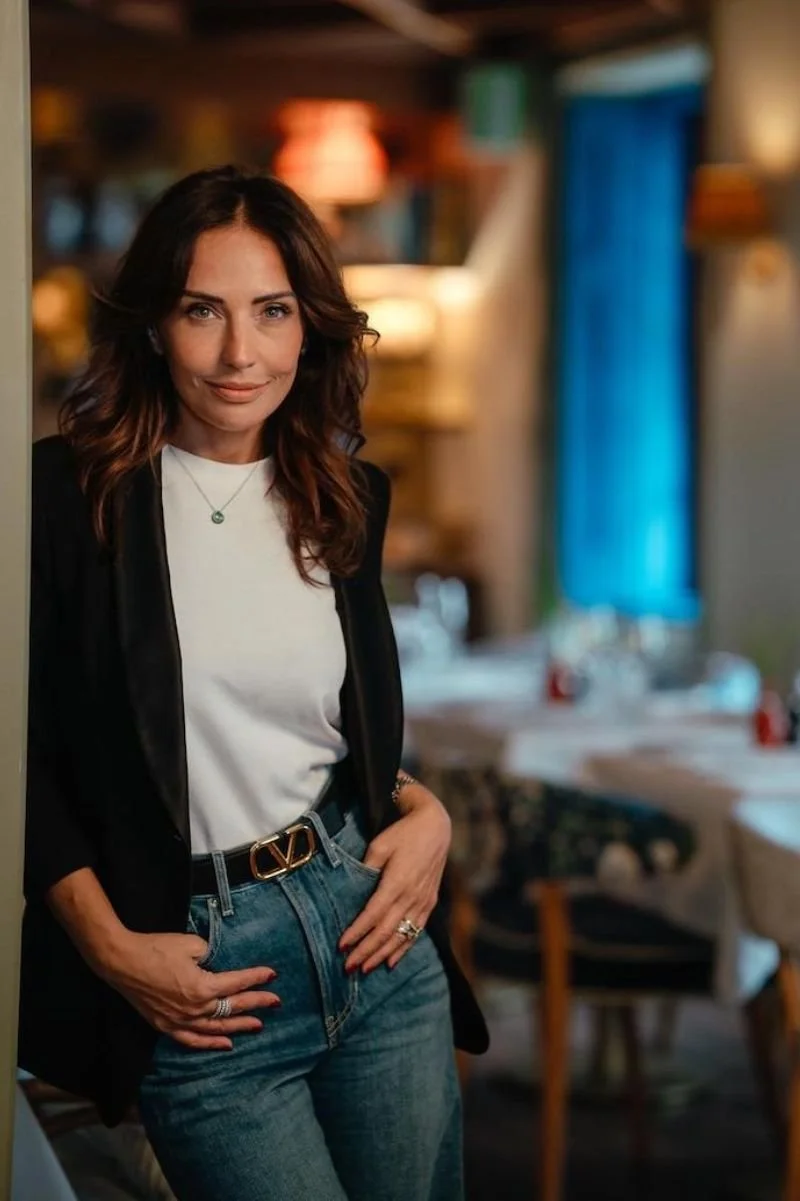
◆ To begin, could you introduce yourself and tell us how your journey in hospitality started?
I began my journey in hospitality in 2007, when I opened Confraria in Cascais. I was 31 years old, with three babies – two of them twins who were just a year and a half old. The space became available (where Confraria still stands today), and a project I had kept tucked away in a drawer, postponed because of my children’s birth, suddenly came to life when I least expected it.
I believe life works that way: it calls you at the right moment. And that’s how I started in hospitality. Today, nearly 18 years later, I have stepped away from Confraria and now run Casa do Largo, Vela Latina, Nikkei, Forest, and Char.cutaria.
◆ If you had to describe your approach to hospitality in just three words, what would they be?
Courage, boldness, and hospitality.
◆ You’ve been behind many iconic projects in Lisbon. How do you decide when it’s time to start something new?
The moment calls you. There are always ideas, plans, dreams… but life has a way of showing you the right time to move forward. I trust my intuition deeply — and when you know how to listen, life calls you.
◆ Casa do Largo is your latest opening in Cascais. What inspired this project, and what kind of place did you want to create?
Casa do Largo had always been in the corner of my eye, as we say. It’s a house with history and meaning in Cascais, a beautiful home that is part of the village’s memories. We tried to buy it many years ago when it was vacant, before the former tenants moved in. The owners didn’t want to sell it and still don’t, but after nearly 15 years, I was finally able to rent it.
My dream was to care for it as if it were my own. I knew that any changes we made had to restore the dignity the house deserved. Its stories, memories, and the lives lived there over time had to become the inspiration for its renovation.
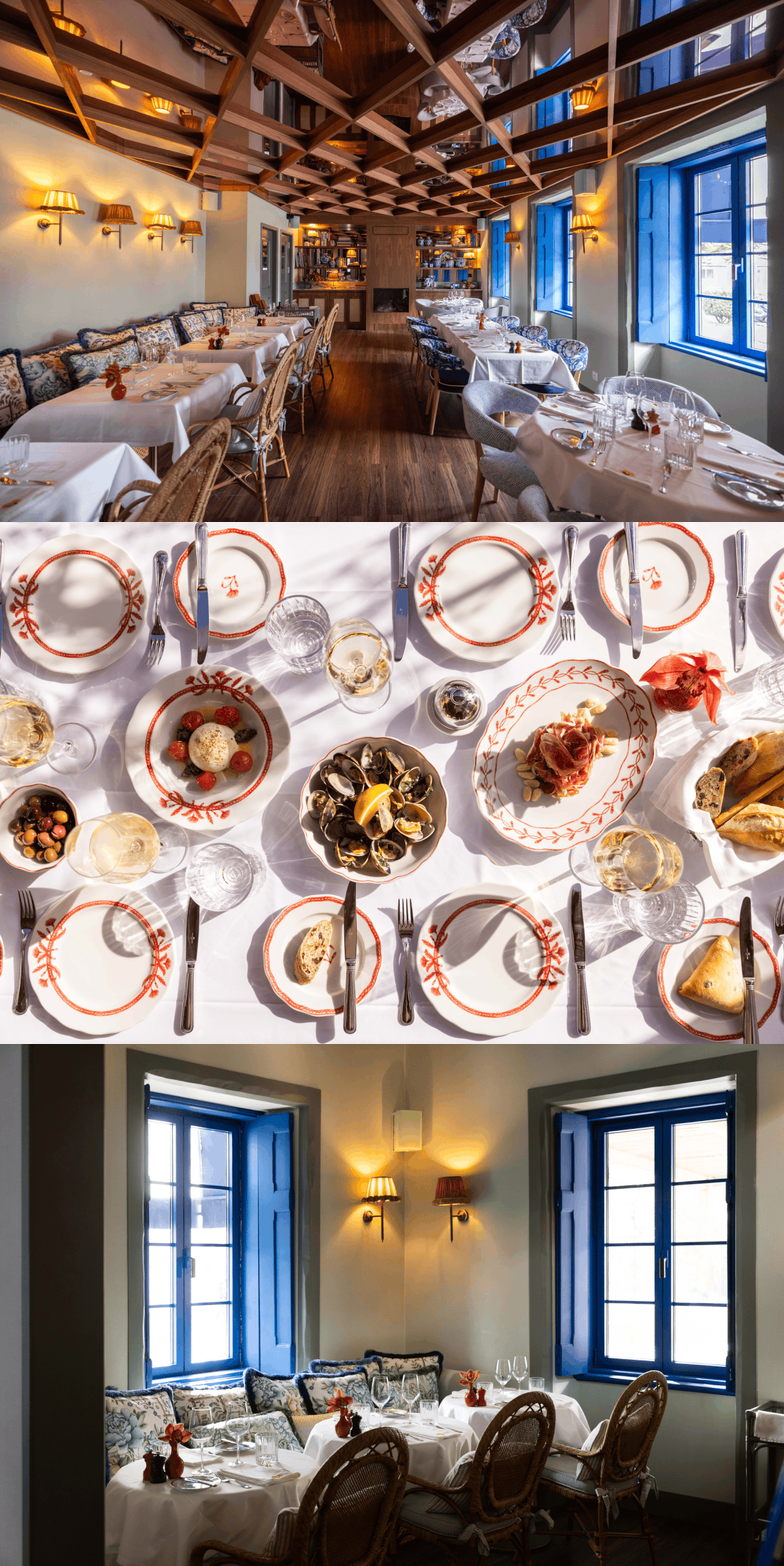
Casa do Largo
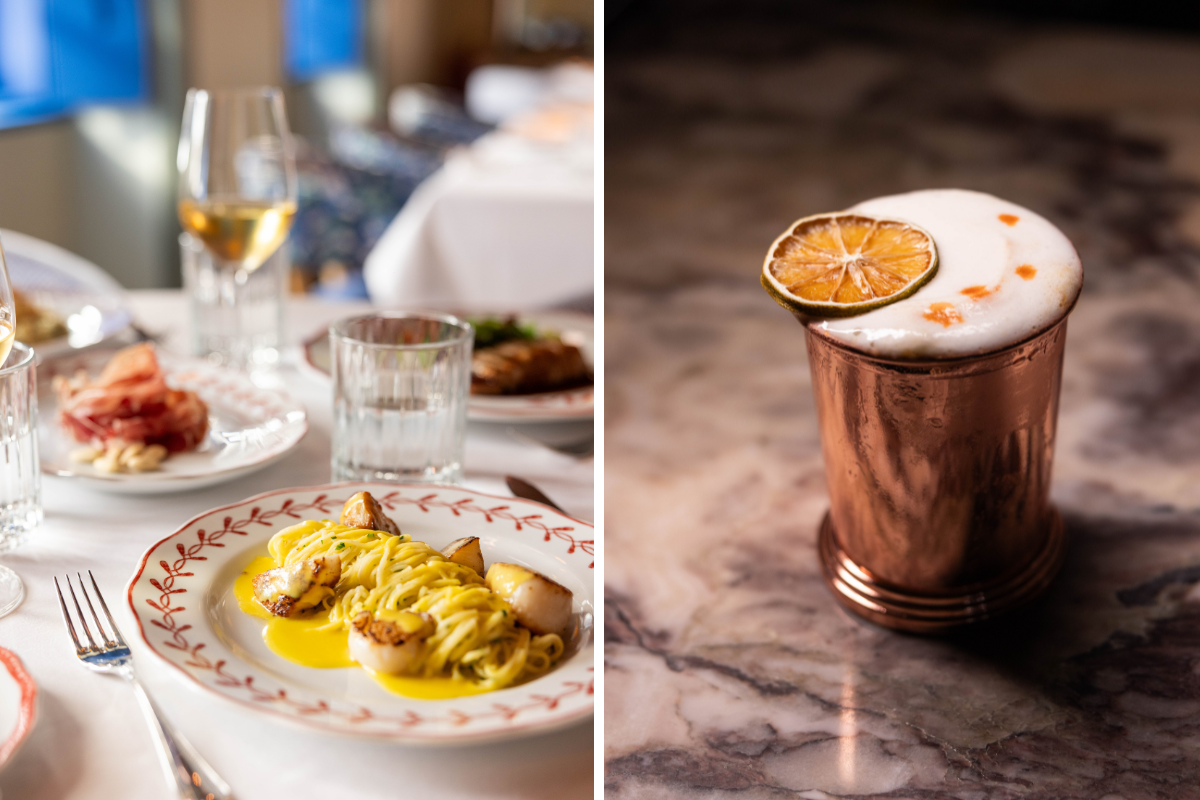
Casa do Largo
◆ Lisbon and Cascais have very different rhythms. How do these two places influence your way of working?
Lisbon is more frenetic. My restaurants there are larger, and the number of people passing through daily is enormous. Meals are quicker, often business lunches, it’s a more cosmopolitan life, moving at its own pace.
Cascais is smaller. Life moves more slowly. Lunches stretch out, faces are familiar… Even though Cascais is growing at an unimaginable speed, there are still places where the village remains a village, like Casa do Largo.
◆ Could you walk us through your ideal day: from a morning ritual to an evening you enjoy?
My daily life is divided into alternating weeks. One week, I have my children – I’m divorced, and we share custody – and I spend more time at home. I prepare breakfasts with pancakes, eggs, and fruit. I often cook dinner. Beyond work, I dedicate time to being a mother.
In the weeks when I’m on my own, I dedicate myself much more intensely to work. Mornings start with just a black coffee and the gym. I divide my time between working in Cascais and Lisbon. At the moment, Cascais needs me more, so that’s where I spend most of my time. In my free time, I’m in a more reserved phase of life, and I truly enjoy staying at home.
◆ What’s your favorite place to hang out in Lisbon or Cascais when you’re not at one of your restaurants?
I prefer simple places, without fireworks. When I want to go out for a late lunch and enjoy the afternoon, I love Pinóquio. I also love having lunch in Sintra at a very small restaurant with wooden benches, where the food is absolutely divine – Cajó. For dinner, I prefer to stay at home.
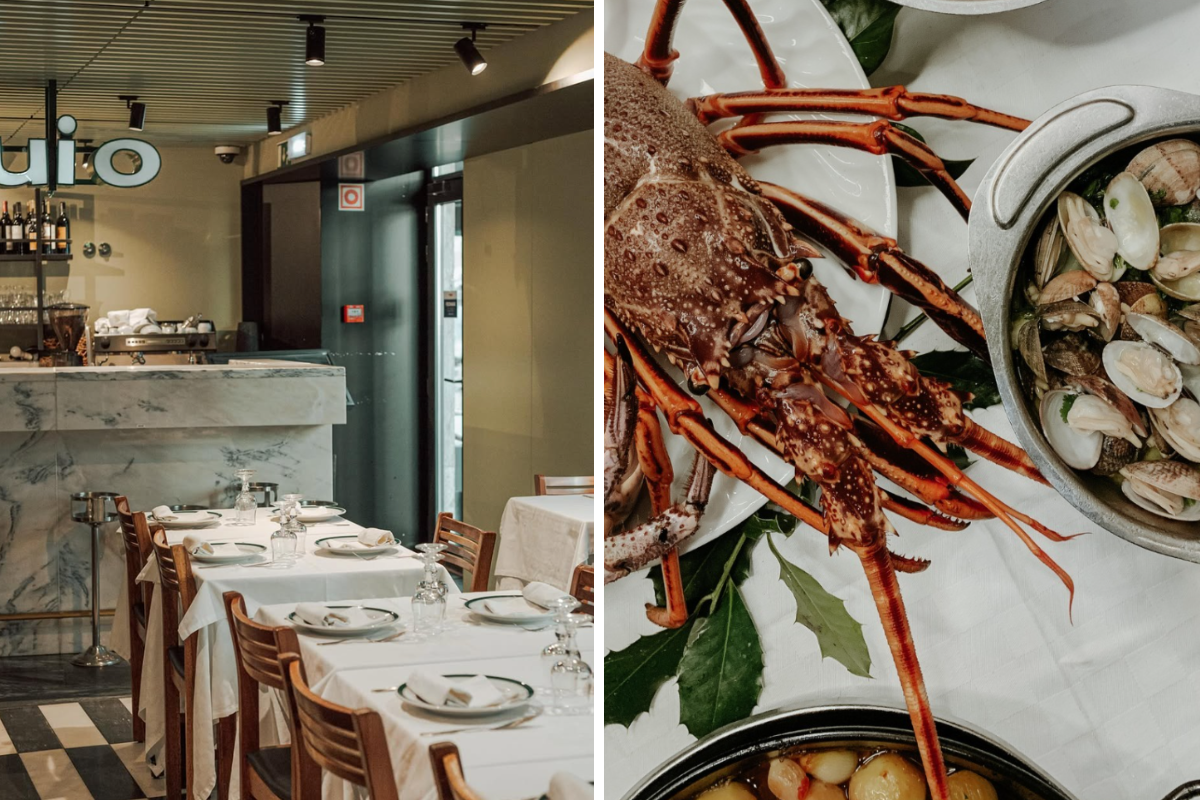
Pinóquio
◆ How would you describe the identity of Casa do Largo compared to your previous restaurants?
The identity of Casa do Largo was truly about being a “home”. I always had this concept very clearly in mind: a bistro. Small, thoughtful, attentive to detail, a place where guests genuinely feel at home. The difference between this project and my previous ones was my complete autonomy in decision-making. For the first time, I built a space exactly as I had envisioned it.
I worked alongside Rita Valadão, a professional I deeply admire and respect, who fully understood my vision. Despite being a major restoration, it was a very light and joyful process.
◆Throughout your career, what has been your guiding principle when creating or curating a new restaurant concept?
There isn’t just one guiding principle, but several. The evolution of hospitality, the increasing demands of customers, and trends that now change faster than ever, the market ultimately dictates what it wants. It’s about knowing how to read it, adapt, and genuinely love what you do.
◆ What are the main challenges – and joys – of opening a restaurant today?
The main challenges in Portugal today are linked to the crisis we are facing. Restaurants in general are dealing with serious issues: the steep increase in raw material costs, rising wages, intense competition for labor — which continues to push salaries higher — declining revenues, and an excessive tax burden.
Margins are getting smaller and smaller. We haven’t been able to build the “oxygen cushion” during summer to help us get through the tougher winter months, and this year has been even more difficult.
