
- Insiders Profile -
Founder of Calipo
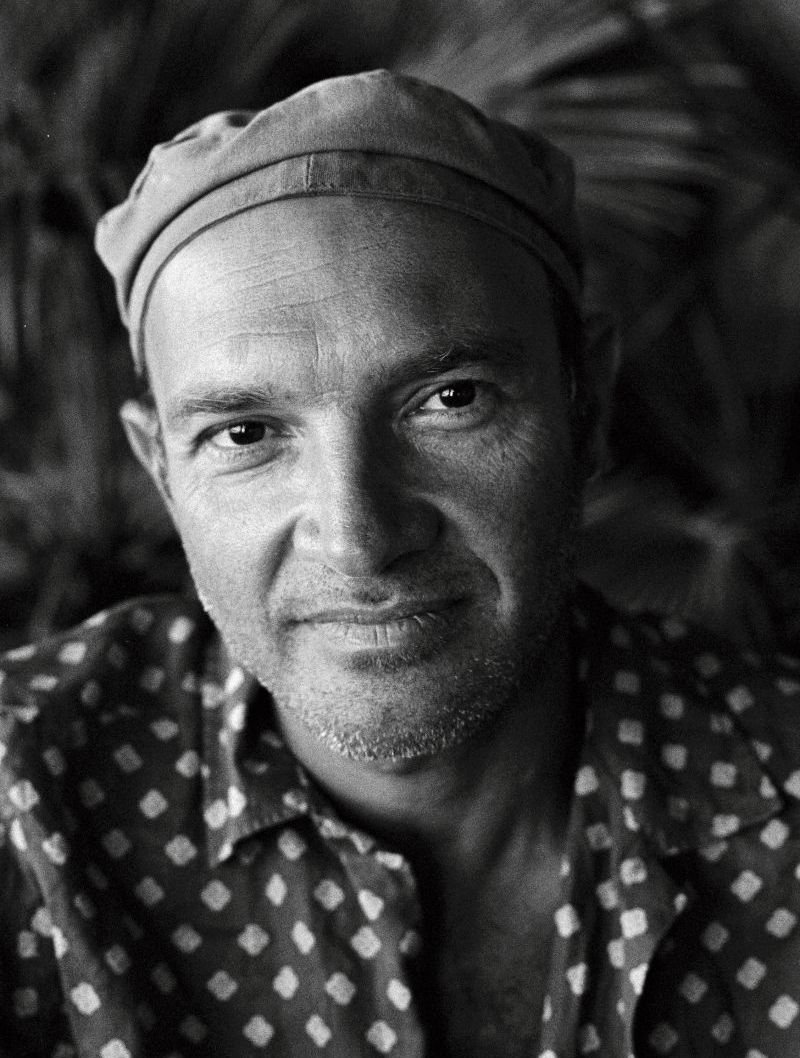
Lionel Bensemoun has spent the past two decades creating some of Paris’s most iconic cultural and nightlife destinations. Best known as the co-founder of Le Baron and today at the creative helm of the legendary Bus Palladium, he has built a career around imagining places where music, culture, design, and people naturally come together.
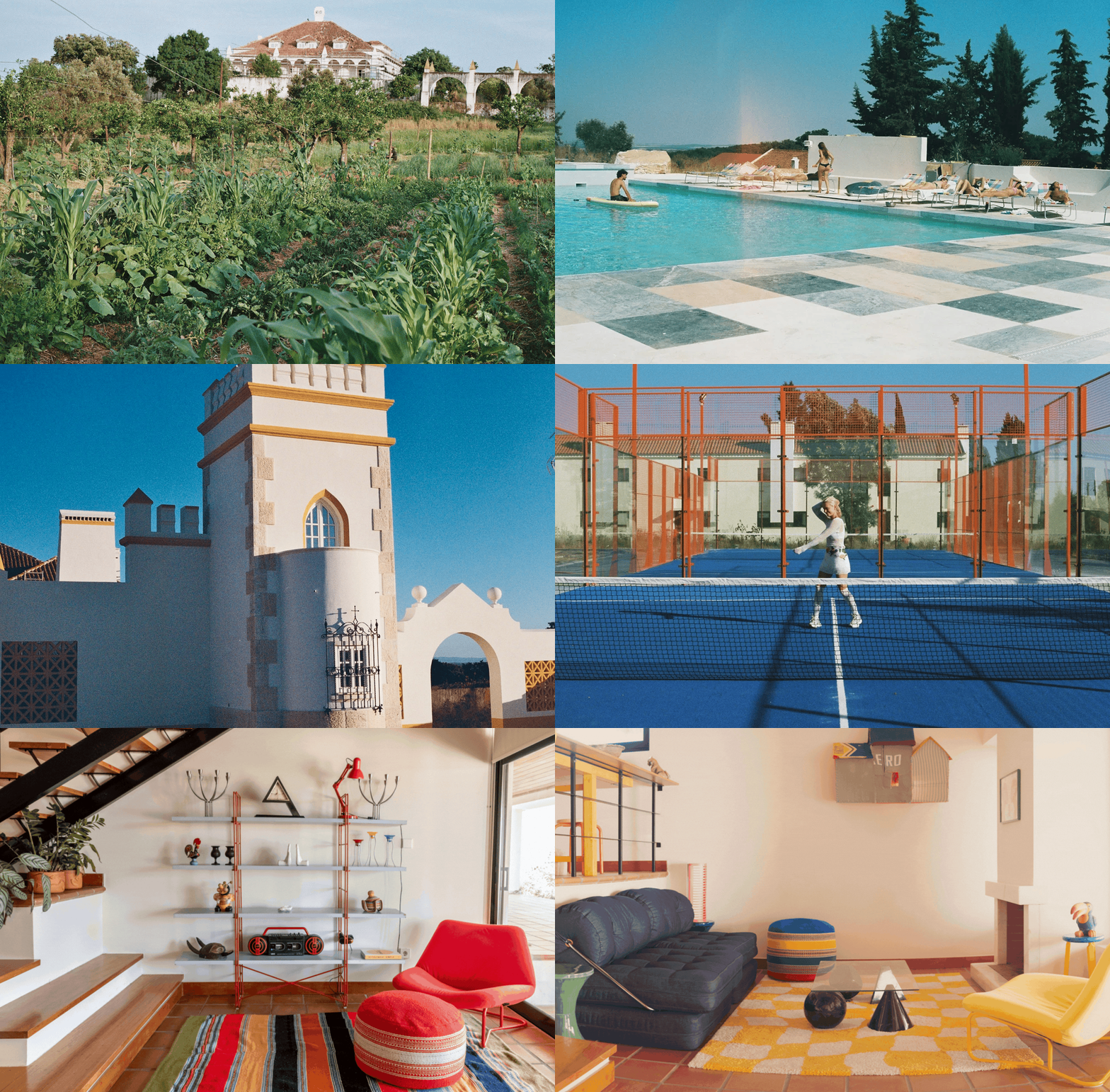
With Calipo, his latest venture in Portugal’s Alentejo region, Lionel opens a new chapter. Set within a beautifully restored estate in Vila Viçosa, Calipo is much more than a hotel. It’s a destination where hospitality, gastronomy, regenerative agriculture, art, and community merge. A project that reflects the same philosophy that has guided Lionel’s career all along: creating places that people never forget.
◆ You've spent years creating some of Paris' most iconic nightlife venues. What inspired you to take on your very first hospitality project with Calipo?
Honestly, it's simple. I want to keep doing what I love: bringing people together around art, culture, and music, day or night. We need places to create bonds, to reconnect, to be surrounded by art. Calipo is a dream project because of the incredible sense of disconnection the nature there offers, and because of the setting itself, an old palace blended with modern apartments — which leaves so much room to imagine: festivals, gatherings, but also quiet moments to unwind, write, stay inspired.
What matters most to me is having places that are sources of inspiration and encounters, exchange. That's why, when you run a place to live like a hotel, you need activities that let people meet, artists who get visibility and exchange, potential synergies, and new creations. At Calipo, we're lucky to have an enormous garden, and today it matters too to reconnect with the earth, to put your hands in the soil, to plant, to watch things grow.
◆ If you had to describe Calipo in just three words, what would they be?
Reconnection, encounters, inspiration.
◆ Looking back, how has your experience with places like Le Baron and Bus Palladium shaped the way you imagined Calipo?
Those places taught me that a venue is never just a room with music in it. It's about the people you bring together and the energy that happens between them.
Le Baron and Bus Palladium worked because they were spaces where artists, musicians, and just curious people crossed paths, night after night, and something creative came out of that mix. With Calipo, I wanted to take that same instinct, creating encounters, giving artists visibility, building a place people want to return to but stretch it beyond the night.
Paris taught me the nightlife side; Calipo is where I get to build the daytime version of it too: the garden, the calm, the disconnection from the city, alongside the same energy of gathering people around art and music. It's less about recreating what I did in Paris and more about carrying the same philosophy into a completely different rhythm of life.
◆ Calipo brings together hospitality, agriculture, gastronomy, music, and artist residencies. Why was it important for you to create a place that goes far beyond being "just" a hotel?
As a cultural entrepreneur, I need to offer something more than a room and a service. I want to create unforgettable moments, moments that stay with people. That happens through hospitality, yes, but above all through the activities, the encounters, the bonds and exchanges we build with artists. Real moments of creation, not just consumption.
Calipo is the dream place for that: being immersed in nature, feeling at home, surrounded by artist residencies, gastronomy, music, agriculture. All of it feeding into the same idea. A hotel is where you sleep. Calipo is where you connect, create, and remember.
◆ One thing that immediately stands out at Calipo is the importance given to nature, local produce, and the farm-to-table philosophy. Why was that such a fundamental part of the project?
For me, it starts with putting your hands in the earth, growing things. We need to build resilience, and that brings so much. At Calipo, we wanted to show another way of doing gardens: regenerating the land rather than just using it. Given the warm climate around Alentejo, we're working with syntropic agriculture — planting in a way that mimics natural forest systems, where everything feeds everything else, and the soil gets richer over time instead of being depleted.
That's the philosophy behind farm-to-table here: it's not a marketing line; it's the same logic as the rest of Calipo: regeneration, resilience, reconnecting to something real, whether that's the land, the food on your plate, or the people you share it with.
◆ Throughout your career, you've always created places where people come together. Whether it's a nightclub or a countryside retreat, what do you think makes a place truly unforgettable?
An unforgettable place gives people permission to let go, create, reconnect, just be. Privileged moments, art, music, nature, good food, people genuinely there to share something. But it's also about living fully in the present, without past or future — that's when a place stops being a backdrop and becomes something you carry with you. That's what I've chased from the Paris nightclubs to Calipo: not a venue, a feeling of belonging.
◆ Portugal has become home to many international creative entrepreneurs. What made the Alentejo—and Vila Viçosa in particular—the right place for this new adventure?
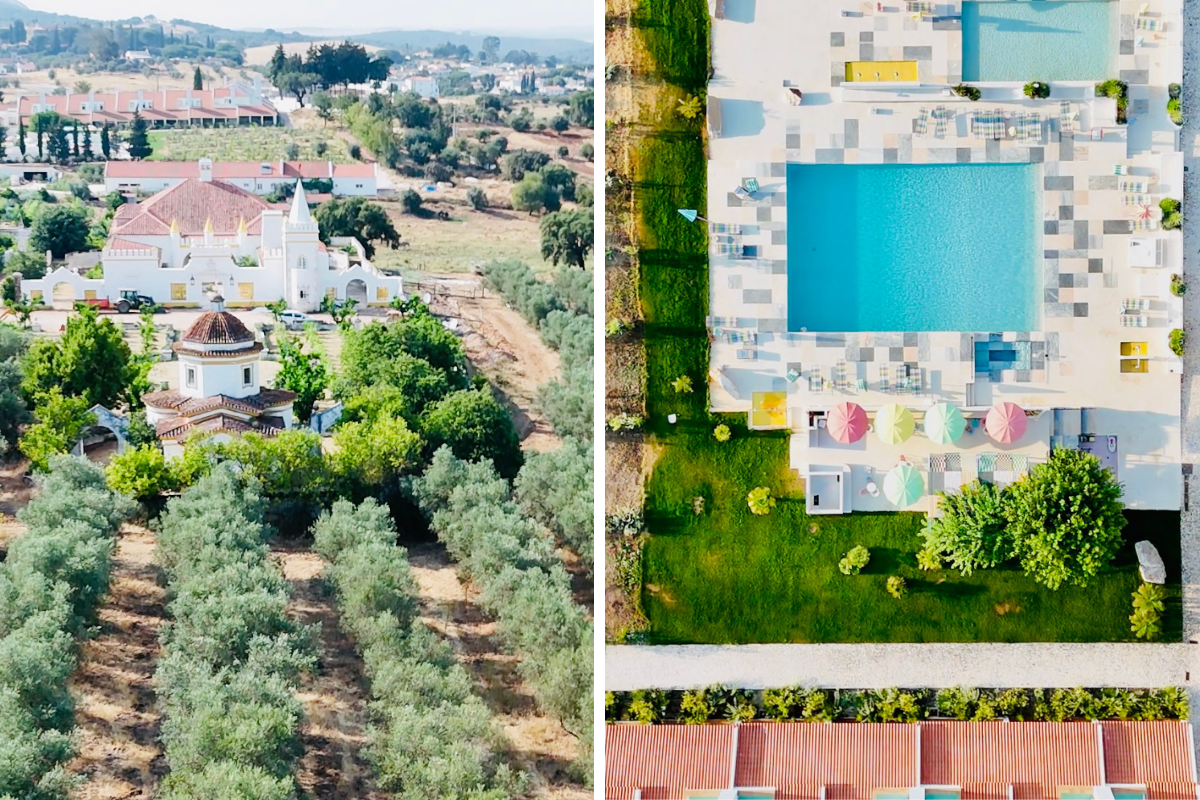
The Alentejo is still a preserved region of Portugal, an incredible destination, largely unknown to mass tourism, especially around Vila Viçosa. What's beautiful about the region is discovering historic villages that haven't changed in centuries: the cork route, the wine, the olives, the marble quarries, the great lakes, horizons that stretch as far as you can see. It's as if nothing has moved in decades, and what I love above all is how authentic it is. The gentleness of the country, the kindness of the villagers, the markets, the good produce, the light, the colours, the sky and the nature. All of it rare, all of it attractive.
For me, it's also a bit of a challenge: bringing people to a place with no sea, when there's so much else to offer. Something I've discovered over the four seasons I've spent here. Winter, spring, summer, autumn… each season brings its own joys, discoveries, and wonder.
◆ Looking back, what has been the biggest lesson you’ve learned throughout your entrepreneurial journey?
Here, I've learned patience, time has a completely different dimension. It was difficult during the renovation work, but in the end, you have no choice but to let time guide you.
◆ As a Lisbon Insider, what would be your perfect 24-hour Lisbon itinerary? We’d love your recommendations for breakfast, a date and a dinner with friends.
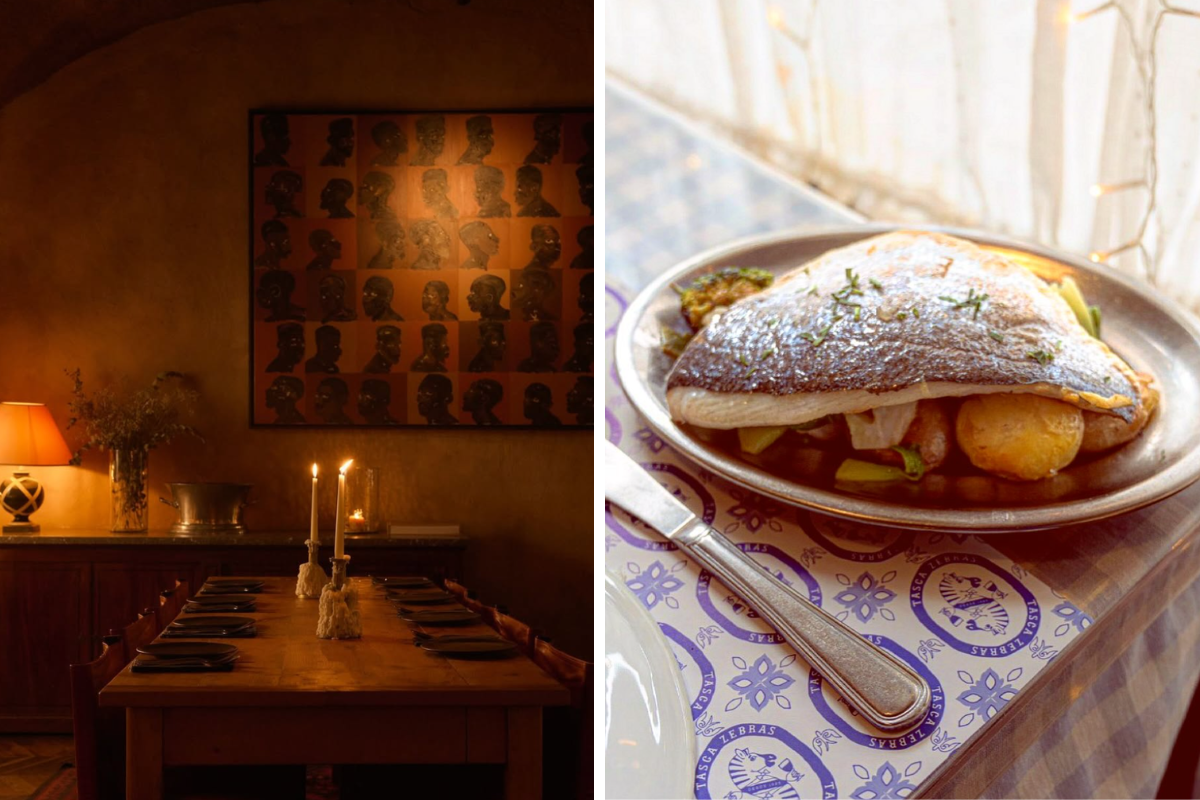
Salón, Insaciável, Majong, O Pitéu da Graça, Garrincha, Tasca Zebras, Bar Tejo, Fábrica Braço de Prata, Cosmo, Darc Desterro, and Those Who Dance.
◆ Finally, what exciting projects, ideas, or collaborations can we expect from Calipo next?
Get ready for the autumn season: a real big opening, with a lot of surprises!