

- Insiders Profile -
Francisco Fino
Founder of Francisco Fino Gallery
A key figure in Lisbon’s contemporary art scene, Francisco Fino is the founder of Galeria Francisco Fino, a space known for its strong curatorial vision and long-term commitment to artists. Through a rigorous and thoughtful program, the gallery has played an important role in shaping critical conversations around contemporary art in Portugal and beyond.
We spoke with Francisco about his curatorial approach, the evolution of the gallery, and Lisbon’s place within the international art landscape.
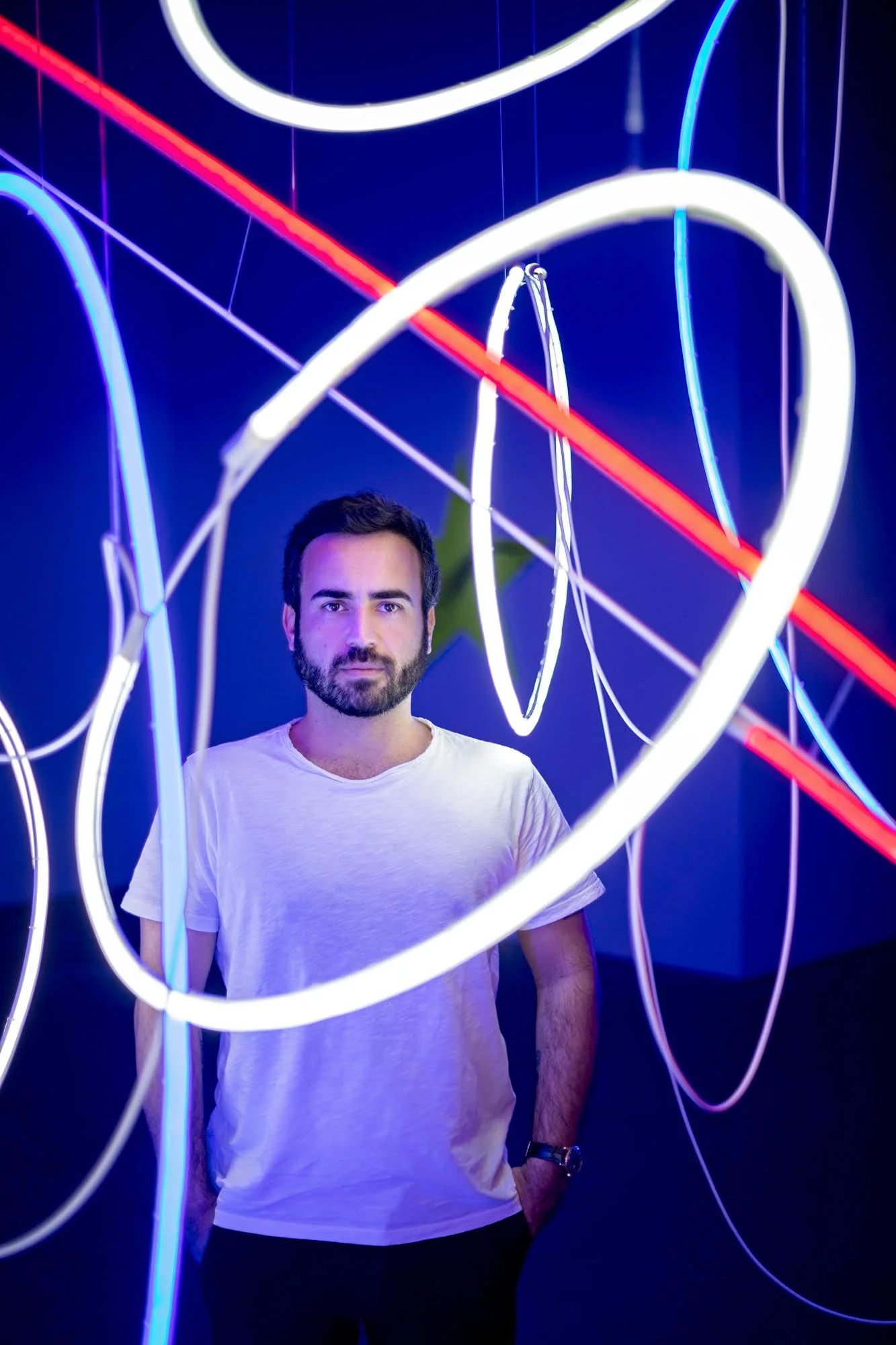
◆ To begin, could you introduce yourself and tell us how Galeria Francisco Fino was founded?
I run a gallery in Lisbon, which started as a nomadic project, and I settled into a fixed location in May 2017. At the time, it felt like there was a lot happening very quickly in the art world, and I was more interested in the opposite — in working slowly, staying close to artists, and letting things develop over time. I didn’t start the gallery with a fixed model in mind. It grew out of conversations, doubts, and a desire to build something that could last, rather than something immediately visible.
◆ If you had to describe the gallery in just three words, what would they be?
Careful, demanding, committed. Though that probably says more about how I try to work than about the space itself.
◆ Your program is known for its conceptual and curatorial rigor. What guides your selection of artists and exhibitions?
I tend to work with artists who are very conscious of their decisions — people who question their own work constantly, sometimes even to the point of discomfort. I’m not interested in filling a calendar or reacting quickly to what’s current. Often, an exhibition only comes together after a long period of conversation, and sometimes after several false starts. That process is important to me.
◆ How do you balance supporting emerging practices while working with established artists?
I don’t think about that balance in a strategic way. Some artists arrive with a very clear position early on; others take years to reach that point. What matters to me is whether there’s a real sense of commitment. I’m interested in practices that can hold tension over time, regardless of how visible or established they are.
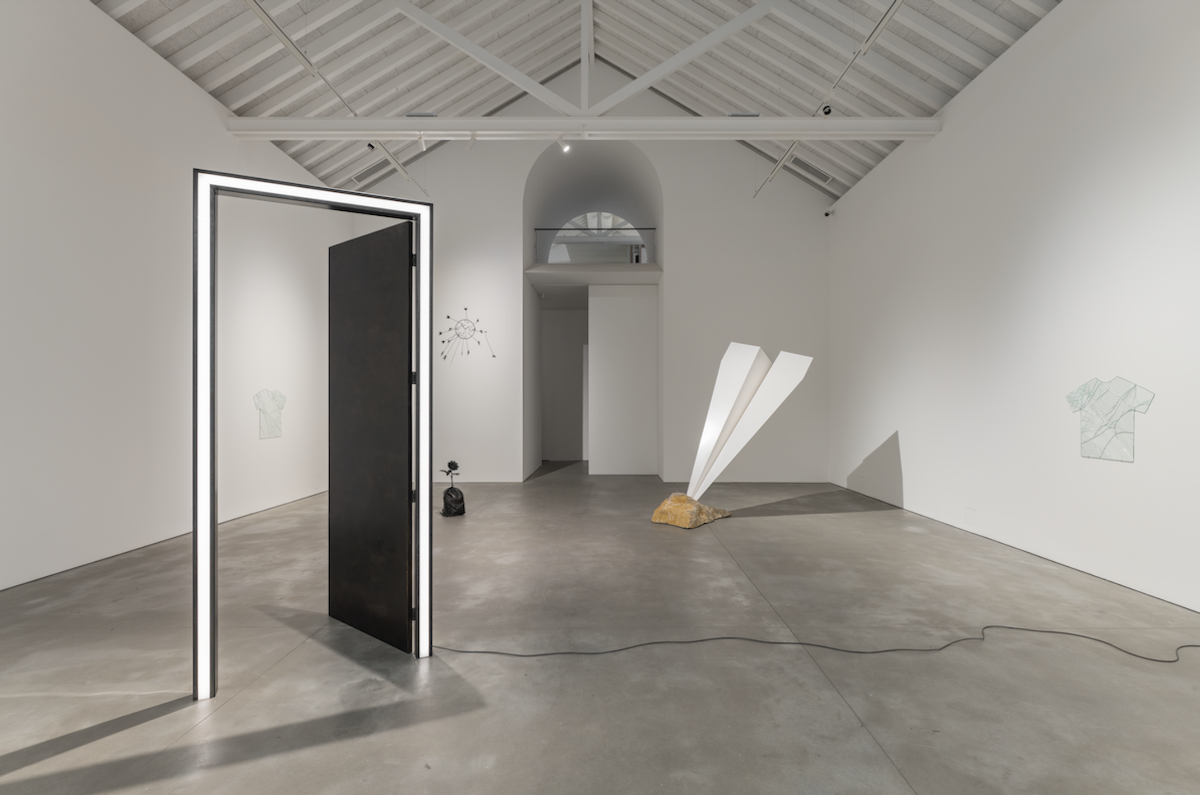
"Poems of Tomorrow", João Motta Guedes | Photo credits: carbonara.st
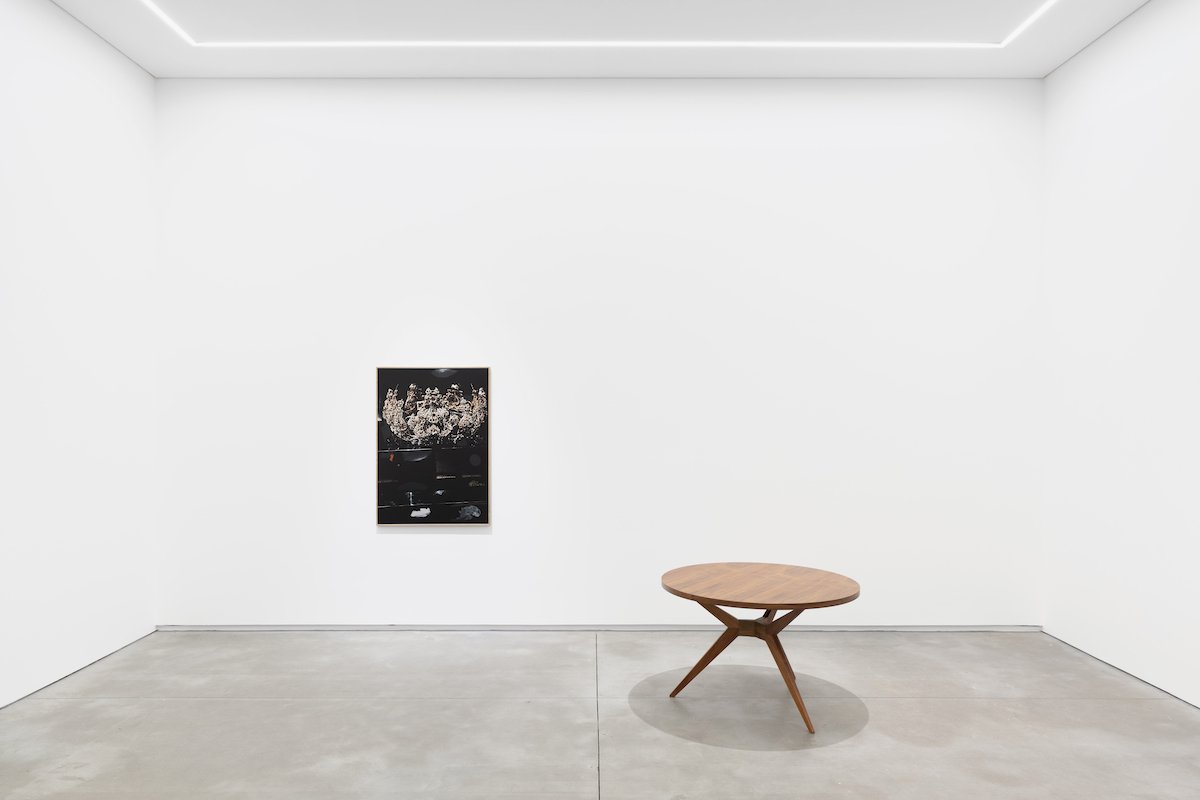
“Folklore (Part 2)", Pedro Barateiro | Photo credits: carbonara.st
◆ What excites you most about the current moment in contemporary art?
I’m drawn to artists who are slowing down again — who are spending time on research, on materials, on thinking things through carefully. There’s a fatigue around spectacle, which I find encouraging. The works that stay with me tend to be the ones that resist easy consumption.
◆ Could you walk us through your ideal day in Lisbon — from a morning ritual to an evening you enjoy?
There’s no real ideal day, but a good one usually starts quietly. Coffee, maybe a run before going to the gallery. The rest of the day tends to unfold on its own — meetings, unexpected conversations, problems to solve. In the evening, I like to slow down again: dinner with friends, something simple, time to talk without an agenda.
◆ What’s your favorite place to hang out in Lisbon when you’re not at the gallery?
I don’t really have a favorite place in that sense. I prefer places that are familiar rather than special — moving through the city without a plan, Lisbon is good for that.
◆ What role do you believe galleries play today beyond exhibiting artworks?
For me, a gallery should be a place where things are worked through, not just shown. That includes very practical support, of course, but also time, conversation, and sometimes disagreement. I think there’s value in not rushing interpretation — in allowing works to be difficult or unresolved. That’s something galleries can still protect, if they choose to.
◆ Your latest exhibitions opened on January 31 — can you tell us something specific about them?
We opened two solo exhibitions by João Motta Guedes and Pedro Barateiro, which are exhibitions that don’t reveal themselves immediately. You might walk through them once and feel you’ve missed something — and that’s fine. They’re built around small shifts and quiet decisions rather than strong gestures. I was interested in seeing how much attention viewers are willing to give, and in trusting that attention.
◆ How has Lisbon’s contemporary art scene evolved since you opened the gallery?
The city has become much more visible internationally, which brings both opportunities and pressure. There’s more circulation now — of people, ideas, expectations. That can be productive, but it also risks flattening differences. I think it’s important to remain attentive to what makes Lisbon specific, and not lose that in the process.
