

- Insiders Profile -
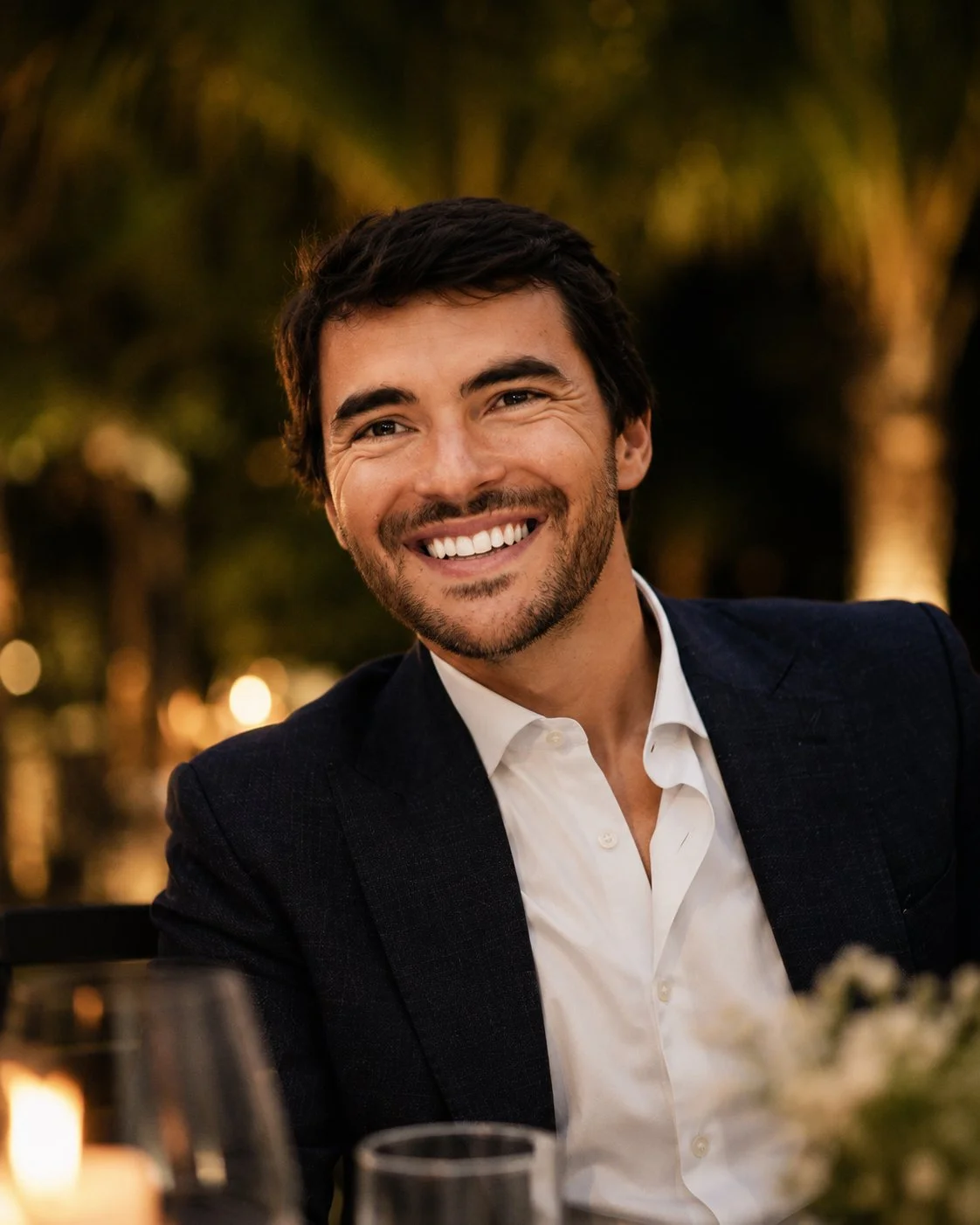
Diogo Figueiredo
Founder & CEO of Paradigma
Over the last few years, Diogo Figueiredo has established himself as one of the key entrepreneurs redefining Portugal’s hospitality scene. As founder and CEO of Paradigma, he is behind some of Lisbon’s most recognizable contemporary concepts, including Lamina, Comoba, Isco, Ofício, Gandaia Club, Café do Paço, and, of course, Canalha. Several projects that blend hospitality, branding, and lifestyle into experiences that resonate far beyond food itself.
Paradigma has become one of the groups shaping the new generation of hospitality in Portugal, where atmosphere, storytelling, design, and community are just as important as what’s on the plate. As Paradigma continues to expand and evolve, we spoke with Diogo about entrepreneurship, creative vision, Lisbon’s changing hospitality landscape, and what it takes to build concepts that truly connect with people today.
◆What inspired you to start your journey in hospitality and entrepreneurship?
I’ve always been fascinated by the idea of creating worlds around people. That’s actually one of the reasons why my path started in the advertising and creative industry. For me, hospitality was never just about restaurants. It was always about culture, atmosphere, energy, storytelling, and human connection.
I started my entrepreneurial journey quite early through branding and creative direction, and over time, I realized hospitality was probably the ultimate expression of all those disciplines combined. It’s one of the few industries where design, music, food, architecture, service, psychology, and community all coexist in real time.
What also fascinates me is how immediate hospitality is. It’s an ultra-iterative business. You can make a decision in the morning, see the impact a few hours later inside the room, and already be adjusting again by dinner service. That constant evolution is both beautiful and incredibly challenging. More than anything, what inspired me most was the possibility of building places that people genuinely connect with and remember long after they leave.
◆ If you had to describe Paradigma in just three words, what would they be?
Human. Intentional. Creative.
◆Paradigma has developed a very recognizable approach to hospitality, blending food, branding, atmosphere, and culture. How would you define the group’s vision today?
Today, Paradigma is less a traditional hospitality group and more a platform for creating meaningful concepts alongside chefs, creatives, and operators. We believe modern hospitality goes far beyond food. People are looking for identity, belonging, personality, and cultural relevance. Every project we build tries to create a complete universe, from the music and lighting to the service philosophy, branding, product selection, and rhythm of the space itself.
At the same time, we are obsessed with operational sustainability. Beautiful concepts only matter if they can survive, evolve, and create long-term value for both guests and teams.
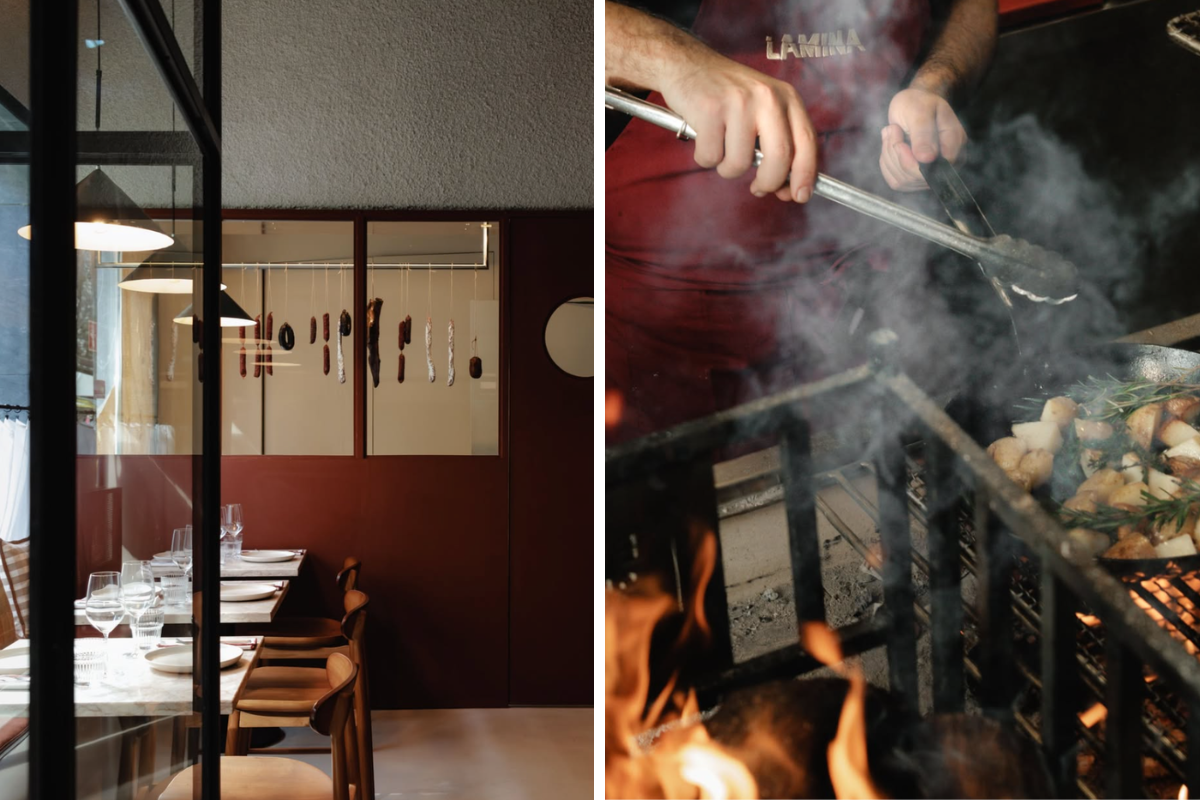
Lamina
◆ Over the last few years, Lisbon’s hospitality scene has evolved tremendously. What excites you most about where it’s heading?
What excites me most is that Lisbon is slowly gaining confidence in its own identity. For many years, the city looked outward for validation. Now we’re starting to see projects that are internationally relevant while still deeply connected to Portuguese culture, craftsmanship, products, and lifestyle.
I think Lisbon has the potential to become one of the most important hospitality capitals in Europe, not because it copies London, Copenhagen, or New York, but because it offers something genuinely different: incredible products, intimacy, spontaneity, warmth, creativity, and a certain beautiful imperfection that still feels real.
◆ When developing a new concept, what usually comes first for you: the food, the atmosphere, the branding, or the emotional experience behind it?
Usually, the feeling. We always start by asking ourselves: “How should people experience this place?” Everything else grows from there. The food, the design language, the soundtrack, the service style, and even the pacing of the room.
I think the strongest hospitality concepts today are built around a clear sense of atmosphere and identity before anything else. The mistake is when branding becomes decoration instead of a reflection of a deeper philosophy.
◆ What do you think people are looking for in hospitality experiences today that perhaps didn’t matter as much five or ten years ago?
Authenticity and coherence. People today are extremely sensitive to concepts that feel forced, overly calculated, or built mainly for social media. Guests are looking for places with soul, personality, and intention.
I also think people increasingly value warmth and human connection over formal hospitality. They remember how a place made them feel far more than whether every technical detail was perfect. There’s a growing desire for intimacy, honesty, and experiences that feel genuinely alive rather than overly polished.
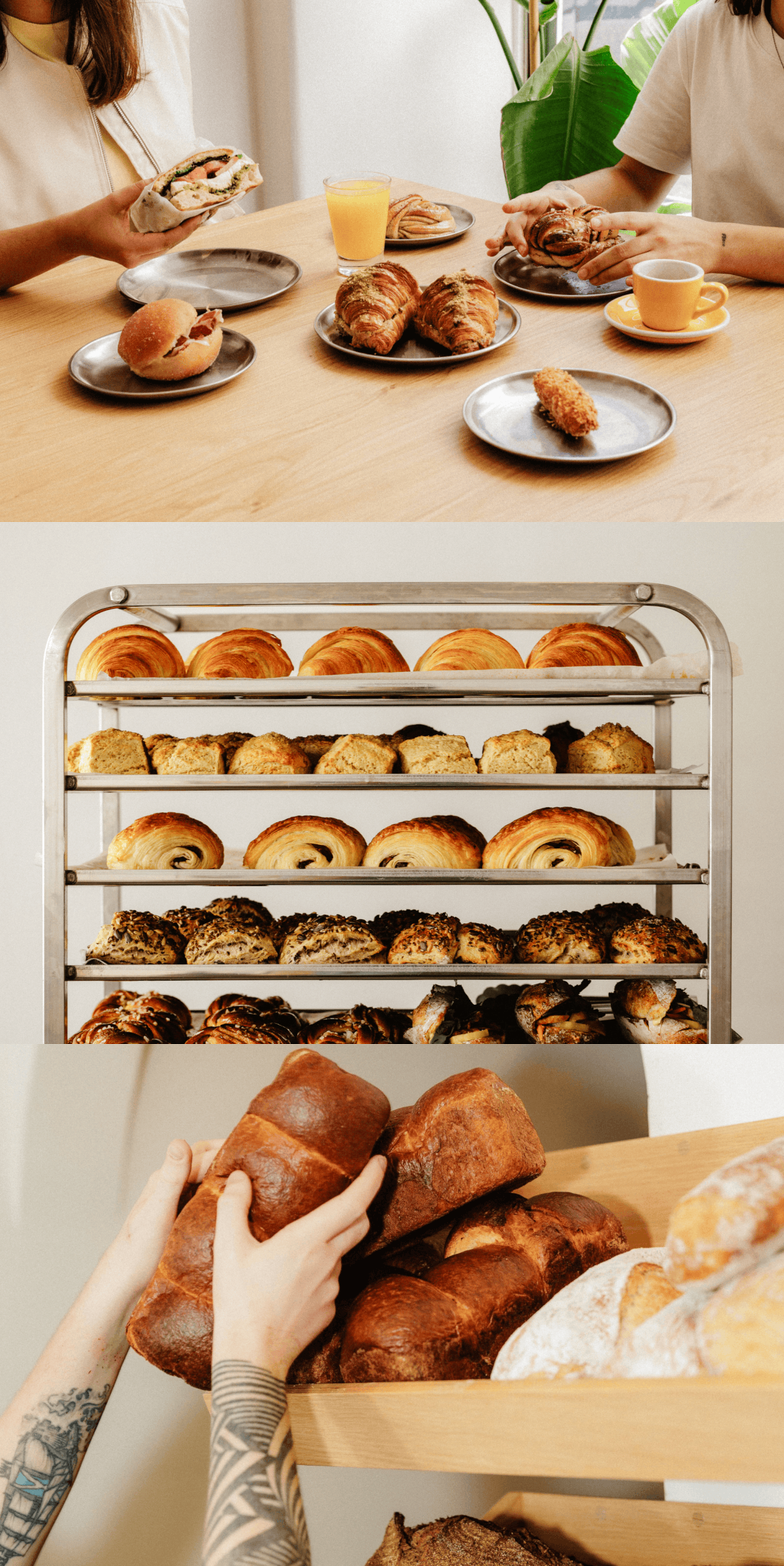
Isco
◆ Building and scaling hospitality concepts is incredibly demanding. What have been some of the biggest lessons you’ve learned along the way?
One of the biggest lessons is that culture matters more than strategy in the long run. You can have a great concept, beautiful branding, and strong financial planning, but without the right people and internal culture, everything eventually breaks. I’ve also learned that the world moves faster than ever. Building timeless projects today actually requires more reinvention and awareness than it did a few years ago. You cannot stay still. You constantly need to understand what deserves to evolve and what should remain untouched.
Growth also only makes sense if the structure evolves with it. In hospitality, scaling without systems, leadership development, and operational discipline can become very dangerous very quickly. And personally, I’ve learned that resilience is probably the most important trait in this industry. Hospitality is intense, demanding, and sometimes unforgiving, but that’s also part of what makes it so addictive.
◆ What are some brands, cities, restaurants, creatives, or industries currently inspiring you the most?
I’m very inspired by brands and projects that create strong dimensions beyond their core product. In hospitality, groups like Airelles, Rosewood, or iconic independent hotels such as Badrutt’s Palace are very inspiring because they understand culture, memory, and atmosphere. Not just service.
In lifestyle and creative industries, I admire brands like The Elder Statesman, A.P.C., Studio Nicholson, and Margaret Howell, as well as creatives such as Wes Anderson, John Pawson, Jessica Walsh, and Benjamin Paulin. People and brands that build consistency and identity over time, rather than simply chasing trends.
Cities like Tokyo, Copenhagen, and Mexico City inspire me a lot because they balance creativity, local identity, and everyday lifestyle in a very authentic way. I’m also increasingly inspired by disciplines outside hospitality, especially history and technology, because I believe the future of hospitality will become far more multidisciplinary and culturally integrated.
◆ As an Insider and besides Paradigma's venues, what are some of your favorite places in Lisbon right now?
Lisbon has become incredibly rich in terms of independent projects, which is exciting. I still love places that feel personal and deeply connected to their creators. Some of my favorite spots in the city right now – and some for many years already – are Ruvida, Copo Largo, Associação Clube Vela do Centro, Familjen, Zé Pinto, Go Juu, Monka, Magano, and Alfredo. What excites me most about Lisbon today is precisely this growing ecosystem of independent places that are elevating the city’s daily culture and creating a stronger sense of community around hospitality.
◆ Finally, what’s next for you and Paradigma that people should keep an eye on?
Right now, we’re very focused on refining and deepening what Paradigma represents rather than simply growing for the sake of growth. That means building stronger operational structures, investing more in culture and leadership, developing new competencies, and increasingly positioning Paradigma as a platform that supports and co-creates projects alongside talented chefs and creators.
At the same time, we’re becoming increasingly interested in the intersection between hospitality, wellness, culture, and lifestyle. I believe the future of hospitality will be much broader than restaurants or hotels alone. It will increasingly shape how people want to live, gather, disconnect, and connect again.
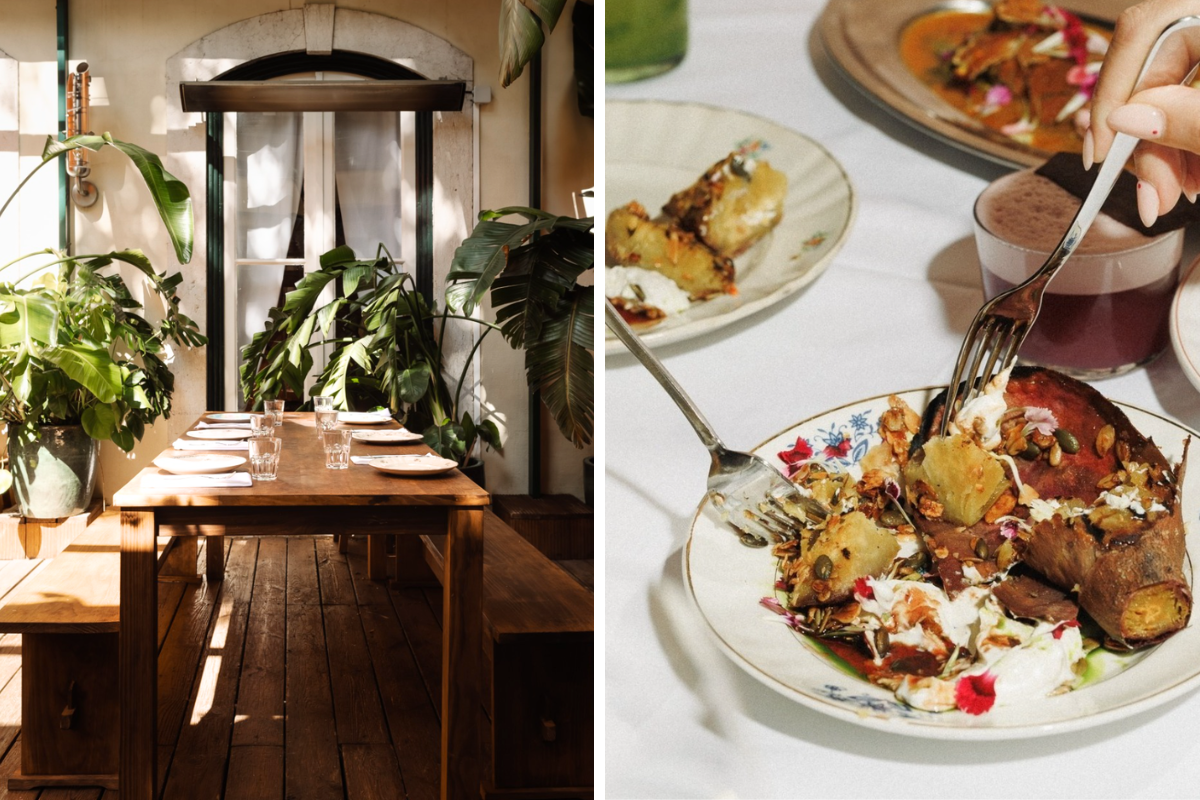
Gandaia Club
