
- Insiders Profile -
Founder & CEO of Krausz Studio
In a city where creativity is constantly being redefined, Ana Krausz stands out as one of the minds shaping the narrative behind some of Lisbon’s most compelling brands. As the founder of Krausz Studio, Ana has built a studio that sits at the intersection of communication, culture, and aesthetics.
With a sharp eye for storytelling and a deep understanding of brand identity, her work goes beyond traditional PR, crafting narratives that feel both intentional and culturally relevant. From emerging concepts to established names, Krausz Studio has become a quiet force behind the scenes, helping define how a new generation of brands shows up and connects in Lisbon and beyond.
◆ What inspired you to start your journey in the world of communication and PR, and how did the idea for Krausz Studio first come to life?
My path into communication was not entirely planned; it happened quite organically. I started my career working in journalism and fashion, two worlds that taught me a great deal about storytelling, aesthetics, timing, and cultural relevance. Through that experience, an opportunity opened up to move into communications with a stronger focus on lifestyle brands.
Figuratively speaking, it felt as though I had almost stumbled into something that quickly became both a passion and a true vocation. After several years working within a very relevant project that challenged me, shaped me, and helped me grow professionally, I felt the time had come to take a risk and build something of my own.
Krausz Studio was born from that desire: to create a studio from the ground up that fully reflected my personal vision, my sense of intention, and the way I understand creativity, communication, and how brands should connect with the world today.
◆ If you had to describe Krausz Studio in just three words, what would they be?
Strategic. Refined. Relevant.
◆ What’s the story behind one of your most memorable campaigns? How did it come together, and what made it special?
We’ve been fortunate to work on many meaningful projects, but one of the most memorable journeys has been our collaboration with Chef Marlene Vieira. What made it special was the level of trust placed in us from the very beginning. Marlene invited us to think beyond communication alone, from branding and visual positioning to storytelling, PR strategy and social media management. Being able to shape a project from A to Z, with that level of depth and intention, is exactly the kind of work that excites us most. It all started from an honest conversation about what the next chapter of her brand could look like. From there, a strong relationship was built, based on mutual trust, creative freedom, and a shared ambition to do things properly.
That is often how our best collaborations evolve: we don’t see ourselves as an external agency, but as an extension of the project, almost part of the family. One of the first campaigns we created together was Semana da Francesinha. It was particularly memorable because it combined everything we love doing: concept creation, design, guest management, PR, and atmosphere-building. What made it truly special was that it happened in January, traditionally a very quiet month in the city, yet suddenly it felt like everyone was talking about it. That kind of cultural impact, when an idea genuinely enters the city’s conversation, is always a very rewarding feeling.
The first step was not to think about this dinner as an isolated moment. It opened the Restaurant Week, but it also marked the beginning of a series of gatherings that will unfold throughout the year. In that sense, this evening becomes the first chapter of a longer narrative. From there, the dinner was approached as a sequence unfolding over time.
Food already activates taste and smell, two senses deeply connected to memory. The surrounding atmosphere allows other layers of perception to emerge: light, texture, sound, and spatial rhythm. When these layers come together, the dinner becomes something more than a meal. It becomes a moment people inhabit together.
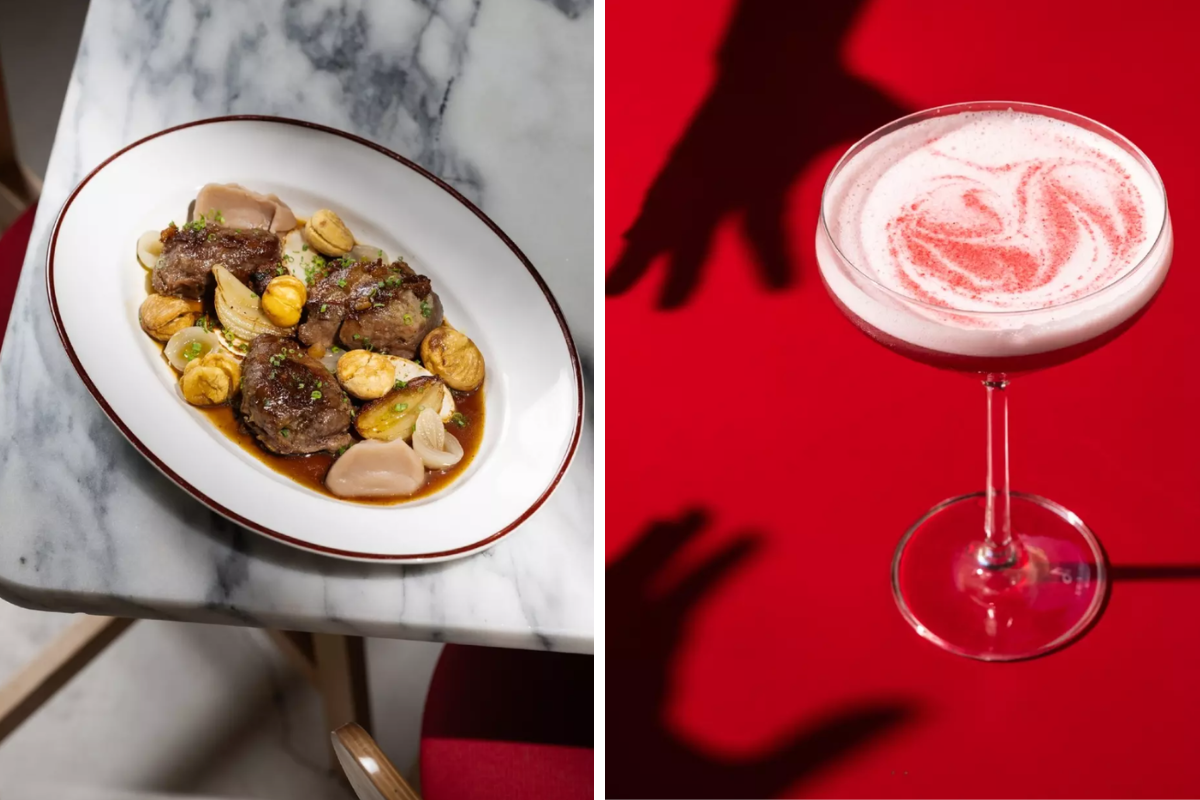
Zunzum Gastrobar by Chef Marlene Vieira
◆ Lisbon has become a creative hub for food, fashion, and design. How do you decide which brands or projects to collaborate with?
For us, it always begins with the people behind the project. Chemistry matters a lot, whether there is mutual trust, shared energy, and a sense that we see things in a similar way. We look for founders and teams who genuinely care about what they are building, who are ambitious in the right way, and who value creativity as something strategic rather than decorative.
We also need to believe in the project itself: its concept, its potential, its relevance, and the story it has to tell. And of course, aesthetics play an important role. We are highly visual by nature, so beauty, sensitivity, and a clear visual language are naturally important to us. The best collaborations happen when there is both substance and style.
◆ If you could introduce one shift or mindset change to the way brands in Portugal approach communication, what would it be?
I would love to see brands view communication not as something reactive or purely promotional, but as a central part of their business strategy. There is still often the idea that communication should only be activated when there is a launch, a problem, or an immediate need for visibility.
In reality, the strongest brands understand that communication is what shapes perception over time, it is how trust, desirability, and relevance are built consistently. But perhaps even more importantly, I would love to see greater openness to collaboration. There is enormous potential when brands, projects, and people come together in a genuine way, not simply for exposure, but to create moments, ideas, and experiences with more depth. When that kind of exchange and mutual support exists, the impact is always stronger and more lasting.
Ultimately, less focus on isolated actions and more investment in relationships, culture, and community. The brands that truly stand out are rarely the loudest ones; they are usually the clearest, most intentional, and most consistent.
◆ What role does intuition play in your creative decisions, from building your team to developing strategies?
It plays a huge role. I would even say that, many times, it is the starting point of almost everything. For me, intuition is not the opposite of strategy it is a form of intelligence built through experience, observation, and sensitivity to what surrounds us. It is what helps me quickly understand whether someone is the right fit for the team, whether a client is truly aligned with us, or whether an idea has potential even before it has been fully rationalised. When building a team, I value that human instinct greatly.
Of course, I appreciate talent, but I also look for people with the right energy, a good heart, a sense of detail, and a genuine desire to build something together. Those qualities are rarely found on a CV. Although, along the way, it is natural that there may be a few “casting mistakes” after all, we hire based on what we feel.
The same happens when developing strategies. Some decisions come from data, context, and analysis, but others depend on sensing the moment, understanding culture, anticipating movements, and trusting timing. I strongly believe that the best creative decisions happen when intuition and strategic thinking are balanced. One without the other is always incomplete.
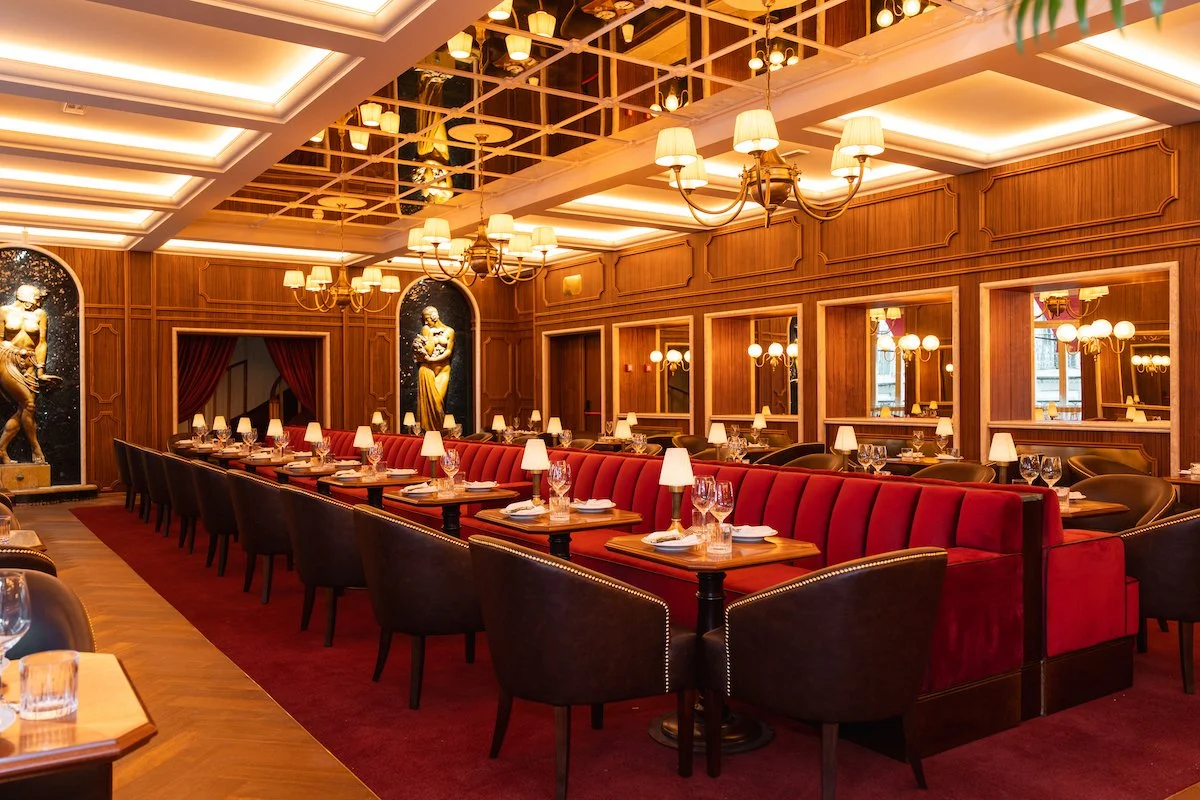
Café de São Bento Baixa
◆ How do you see the younger generation of creatives reshaping the local PR and branding scene?
I see a generation that is much freer, more intuitive, and less attached to traditional formulas. There is a different naturalness in the way they communicate, create, and understand brands, less institutional, more human, and more culturally connected.
They also have a very sharp sensitivity for image, language, and timing. They grew up in a digital context, which gives them an immediate understanding of what feels relevant, what creates connection, and what no longer makes sense. At the same time, they bring an important energy for change: they question outdated models, value authenticity and diversity, and seek brands with a genuine purpose, not just aesthetics. I believe they are making the local PR and branding scene more contemporary, more agile, and far more interesting. The challenge, perhaps, lies in balancing that freshness with depth, consistency, and long-term vision. When that happens, truly strong projects emerge.
◆ Could you walk us through your ideal day in Lisbon: from your morning rituals to a favorite dinner spot or gallery visit?
My days usually begin early, around 6:45am. I start slowly, giving attention and affection to my cats, then doing my stretching and breathing routine on my vibration plate. After that, I make my bullet coffee, pick up my three bags, and head out to move my body. My second home is Amplify, where I train and reset before the day properly begins.
From there, I usually head straight to the studio, where I deal with the most urgent matters first. Then the rhythm of the day unfolds through meetings, strategy conversations, and keeping the flow of the agency moving.
Some evenings are dedicated to work dinners, events, or launches, which are naturally part of what I do. When they are not, I like to do something lighter and more spontaneous, such as having a drink with friends, going for a long walk, spending time with my partner, or discovering somewhere new in the city.
Weekends are when I truly enjoy exploring Lisbon more deeply. Right now, I’m slightly obsessed with the exhibition Turn Around, Um Olhar sobre a Coleção de Arte Fundação EDP, and also Anna Maria Maiolino – Terra Poética at MAAT.
I also love walking through the gardens of the Gulbenkian, buying a magazine at Under the Cover, and finishing with a really good coffee at doBeco. When it comes to restaurants, I honestly don’t have one single favourite. I have many, depending on the mood, the moment, and the company. But if I had to highlight one right now, at this stage, it would undoubtedly be Café de São Bento. Trying new restaurants is almost a weekly ritual; it is part of both my work and my curiosity. And because I’m completely addicted to sport, I’m always looking for new ways to move and challenge myself. MVMT studio is definitely one of the right places for that.
◆ Is there a Lisbon-based brand, store, or venue you’re obsessed with right now, one that more people should know about?
I don’t have just one specific answer, because Lisbon keeps revealing so many interesting projects across different areas.
At the moment, I especially love walking through the area between Rua da Boavista and Rua de São Paulo, and exploring the different shops along the way. I’m very drawn to the sense of curation in that part of the city; there is something more independent, more intentional, and with a real sense of identity, which I value deeply today.
They are spaces that move away from the obvious and reflect a more creative, contemporary, and confident side of Lisbon. When it comes to cafés, I’m completely in love with Lugar Nenhum. It has a very particular energy, unpretentious, yet somehow special. The kind of place you always want to return to.
◆ Can you share with us your hidden gem or local hangout?
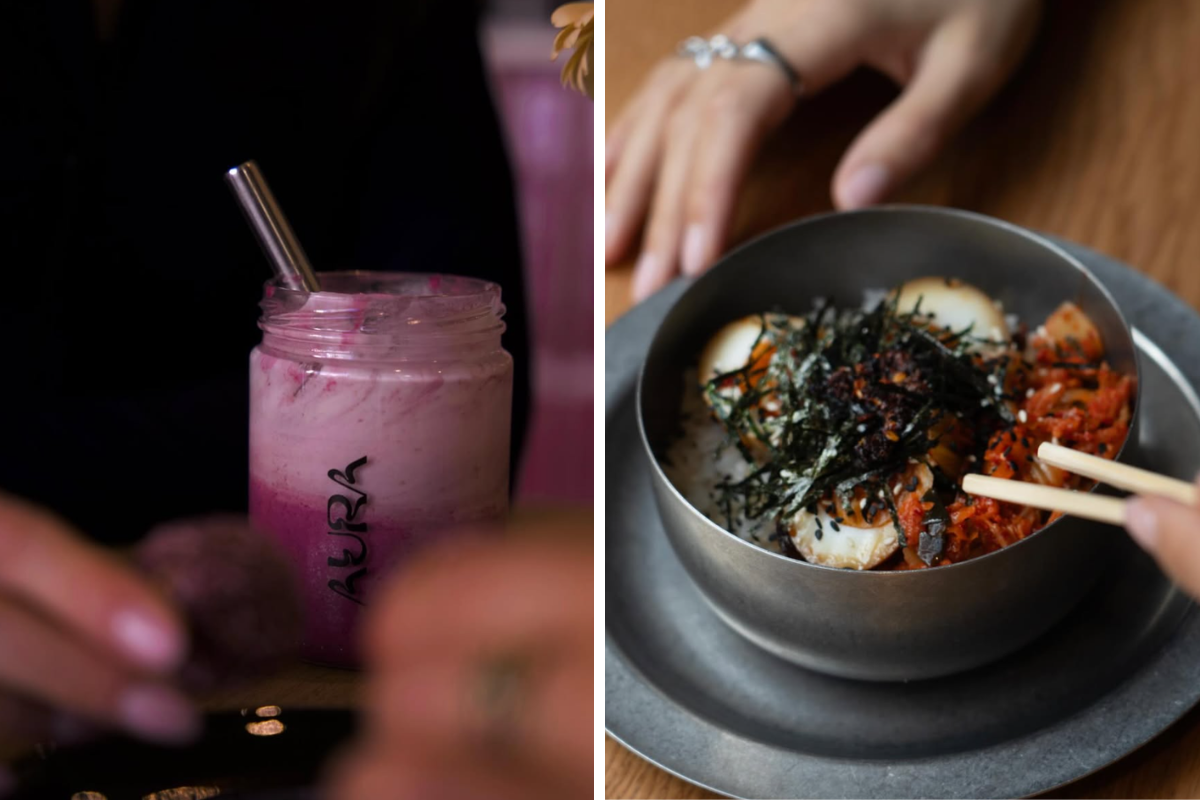
One of my favourite little rituals is stopping by Tiffin, in Santos, or Aura (inside MVMT Studio), picking up something delicious, and then heading up to Miradouro da Rocha Conde de Óbidos. There is something very grounding about that spot. Sitting there with a coffee or something to eat, looking out over the Tejo River and the bridge, always gives me a sense of perspective and calm in the middle of the city’s rhythm. It’s simple, quiet, and beautiful, the kind of place that doesn’t need much to feel special.
Aura Wellness Bar
